Posts

The Art Paper Series: Is there a difference between a Sketch & Drawing Book?

Image
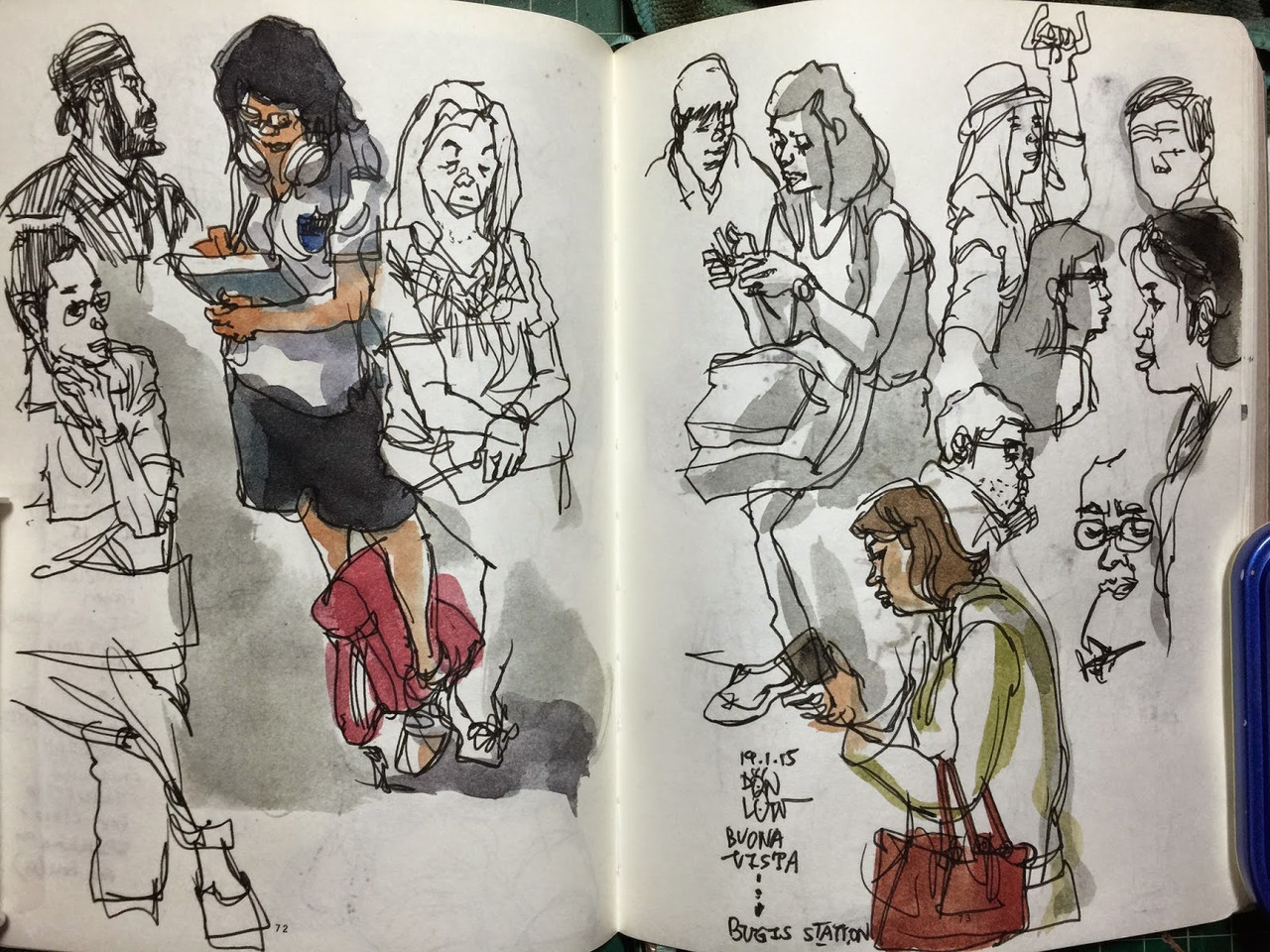
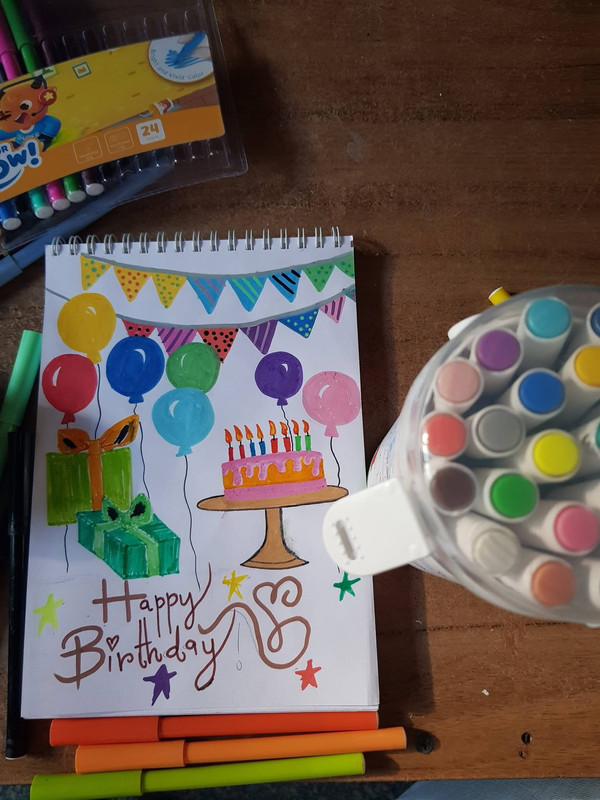
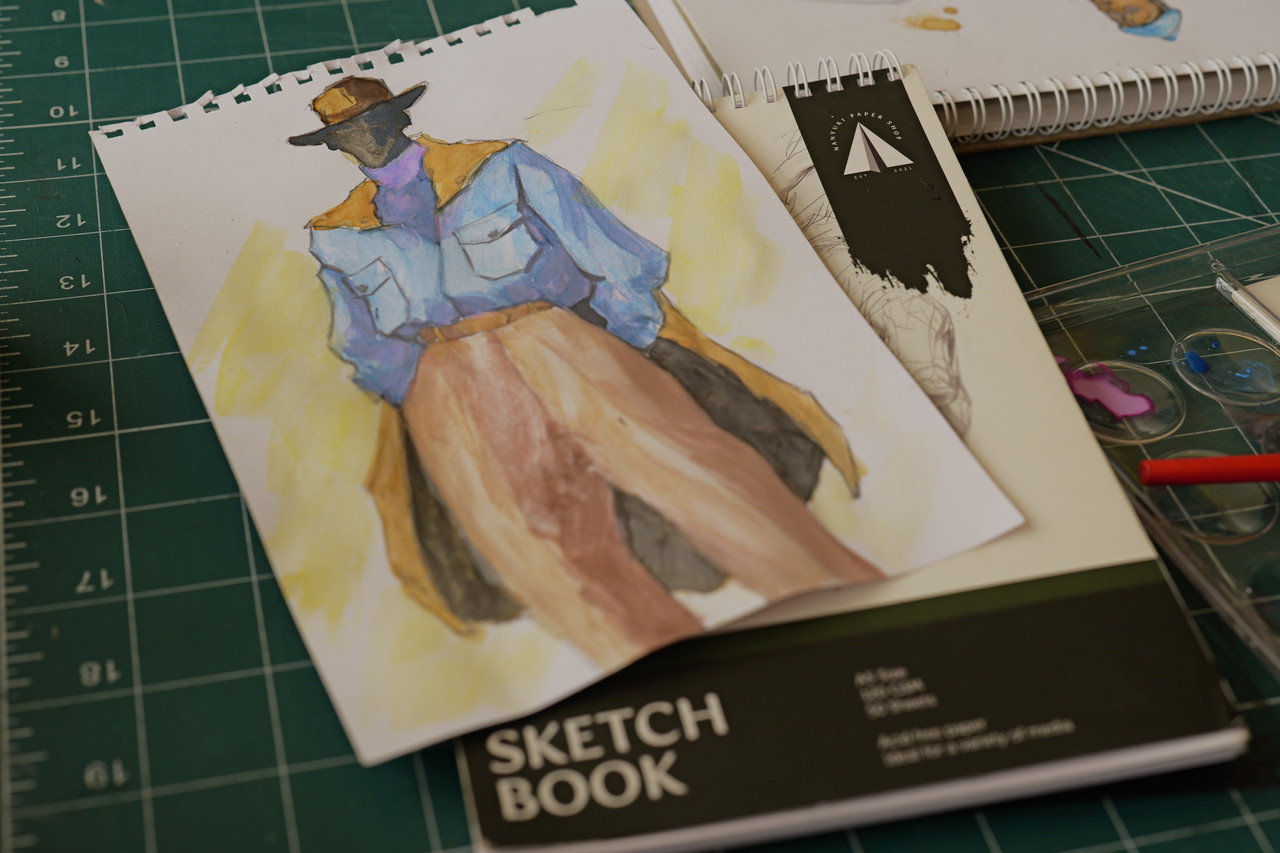
A question we often hear is: why do we distinguish between sketchbooks and drawing books? Aren’t they essentially the same? Image Courtesy of Tt Pen The answer is no—there is an important distinction. Sketch paper is designed for practice, experimentation, and quick studies. Drawing paper, on the other hand, is meant for refined, finished artwork  and supports a wider range of techniques. They simply serve different moments in the creative process. Drawing Book (Versatile & Durable): Made for Finished Art:  The substantial weight and durability allow for extended work, repeated erasing, and fine detail. Superior for Dry Media:  Its "toothier" surface grips graphite, charcoal, and pastels brilliantly, enabling richer darks, greater depth of color, and more dramatic contrast. Handles Light Washes:  While not a dedicated watercolor paper, its weight and treatment can support light ink work, markers, and light acrylic or watercolor washes for mixed-media pieces. Form...

The Art Paper Series: Toothy, Smooth, or Textured? The Artist's Guide to Paper Surface

Image
Why Paper Texture Matters (More Than Most People Realise) You are struggling with graphite that won't go dark or coloured pencils that just won't layer. The issue is likely your paper's texture, not your skill. Every sheet of paper has a “personality,” and that personality is defined by its tooth. Tooth therefore determines how well the paper “holds” the medium you’re using.  Understanding this one concept helps you stop blaming your skills and start choosing paper that actually supports your style of art. Let’s Break It Down: What Is “Tooth”? Tooth, simply explained is,  the paper’s grip. More tooth = rougher texture → holds more pigment, creates depth Less tooth = smoother texture → clean lines, crisp detail, predictable flow The Three Main Paper Textures (and When to Use Each) If you’ve been following our Art Paper Series, you know we’ve been exploring different paper textures in the last two posts. Here’s a quick, friendly recap to bring you up to speed:  1. Hot Pres...

The Art Paper Series: GSM Explained for Every Artist (The Paper Weight Guide)

Image
GSM Unpacked: It’s Simpler Than It Sounds! If you’ve ever bought paper and later wondered why your pencil felt wrong, why your watercolor buckled, or why your ink bled through, the answer often comes down to one thing: GSM. Today, we’re breaking down one of the most confusing but important things in the art world: GSM. By the end of this guide, you’ll understand exactly what GSM means, why it matters, and how to choose the "right" paper for your style. So… What Exactly Is GSM? GSM stands for Grams per Square Metre. GSM is simply the weight of that single paper square in grams. It measures how heavy and thick a sheet of paper is. Lower GSM means lighter, thinner paper Higher GSM means thicker, stronger paper A Simple Breakdown of Paper Weights Let’s look at each weight category more closely. 1. Lightweight (70-110 GSM): Best for sketching and notebooking Typical Papers: Tracing paper, newsprint, lightweight sketch paper. The Feel: Sheer, translucent, or soft. It might crinkle...

The Art Paper Series: Understanding Paper Qualities & How to Choose the Right Art Paper

Image
Why Paper Matters More Than Most Artists Realise and What You Need to Know We see this a lot. Beginner artists blaming their “lack of skill”, for results that were actually caused by using the wrong paper?  And countless of artists frustrated because their colours kept dulling, their sheets kept buckling, or their drawings looked different the next day.  Most thought they were doing something wrong. But the truth often lay in the paper and not the technique. Today’s post is here to change that. Whether you’re an upcoming artist, a hobbyist sketcher, or someone rediscovering art in adulthood, understanding paper is one of the most empowering steps you can take.  This week, as part of our commitment to supporting our growing art community,  we begin  a series breaking down the foundations of paper, in a way that is simple and practical for everyone wanting to improve their paper options. T his blog series will go deeper than a quick Google summary, as we will ...

Nurturing The Young Artist Free Ebook

Image
Nurturing your child’s artistic side is not just about creating beautiful things; it’s about building a resilient, creative, and confident human being. It can open future career doors in a rapidly evolving global economy where innovative thinking is paramount. This is why we have created a guide that is designed to help you, the parent of an artistically gifted child aged 4-12 years, recognize, support, and champion your child's unique talents. Whether you are just discovering your child's artistic gifts and don't know where to begin, or you have been nurturing their passion and are seeking new avenues for growth, this guide is for you. In this guide, we will provide you with the basic foundation and insights to become your child's most powerful advocate, ensuring their creative spark not only survives but flourishes. Here's how to get started: Get the Guide:  Click here to get the book for free. Find Your Tribe: Connect with other parents on the same journey in o...

Confessions of a Portrait Artist Paid With ''Exposure''.

Image
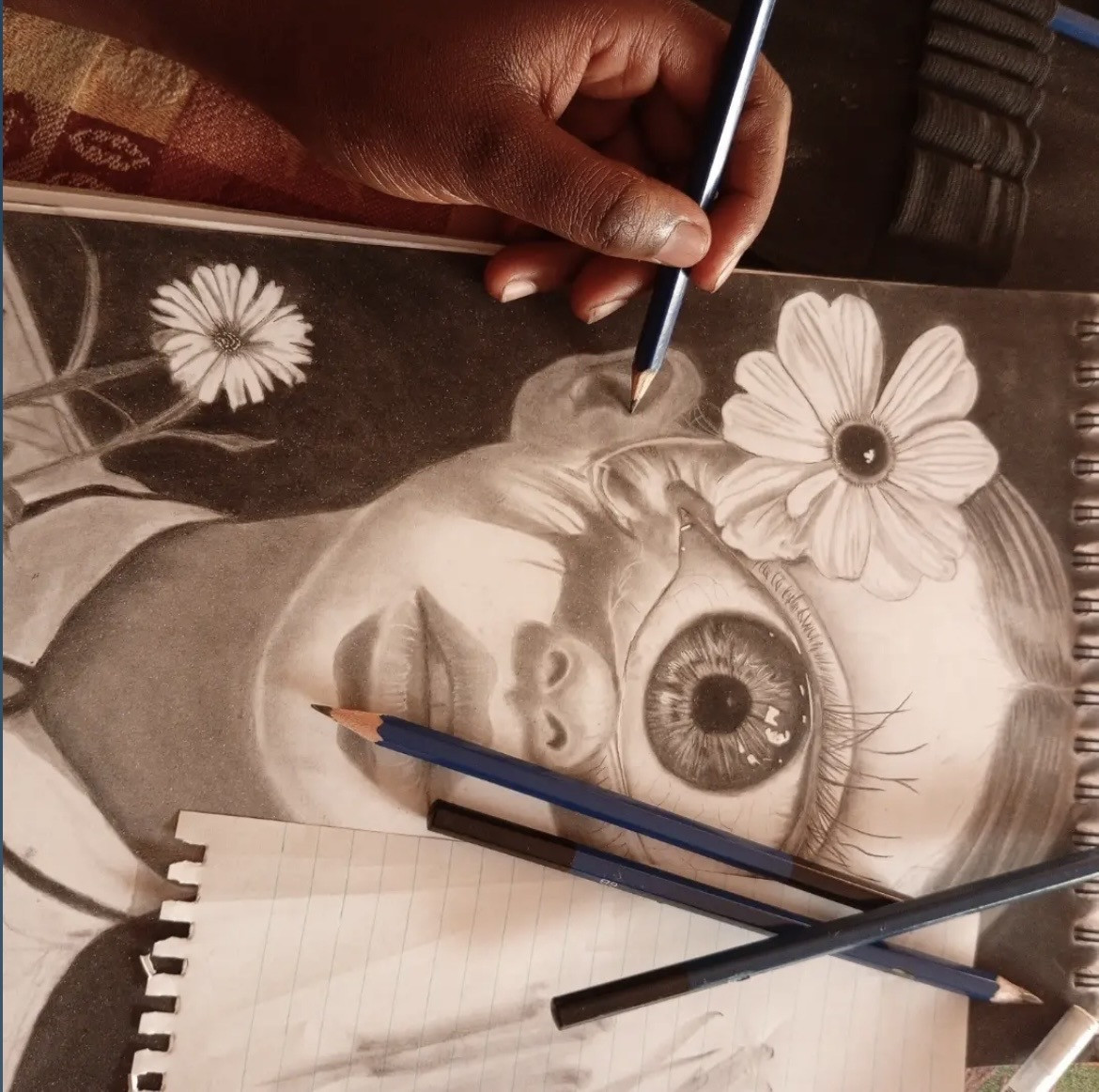
Today, we tell the story of our longtime friend and client, Tony. Last year, we had not heard from him for a while, so of course we had to check in.  Tony begun his arts career in 2022 as a charcoal portrait artist. Back then, he'd sit for hours creating portraits of prominent persons, perfecting every strand of hair, every dimple, every eyelash, all for “exposure.” The man was running a full-time portrait artist hustle on a diet of ''thank you, bro'' . Others with big social media profiles, promised to tag him on Instagram and that would, ''guarantee him more clients''. The tag, however, never came. After a few years of being “paid in appreciation,” as you'd imagine, the joy started to fade. The creative burnout hit- the quiet, sneaky kind that makes even your favourite pencil feel heavy. He was officially in a creative lull, and his sketchbook was gathering dust in a corner. How His Sketchbook Saved Him One random afternoon, out of sheer bored...

Sketchbook Myths That Are Killing Your Creativity: The Truth About A Brand New Sketchbook

Image
  Hey tribe, Let’s be a little honest today, few things are as intimidating a brand new sketchbook. How many of you have a beautiful, brand-new sketchbook sitting on a shelf, its pages still utterly new? You pick it up, feel the potential, and then… a wave of pressure hits. You put it back down. Sound familiar? You’re not alone. I’ve been there too. The problem isn’t you; it’s the myths we’ve been told about what a sketchbook should be. It’s time we bust them wide open. Myth #1: “Every Page Has to Be Perfect” This is the big one, the creativity killer. No, it doesn't! The Truth: Your sketchbook is a lab and not a museum. It’s where you make the messy, "failed" experiments that lead to your breakthroughs. That smudged charcoal drawing? It taught you about light. The color palette that turned to mud? It showed you what doesn’t work. Embrace the messy sketchbook. This is the core of developing a daily drawing habit without pressure. The goal is progress, not perfection. Try ...