Why Paper Texture Matters (More Than Most People Realise)

Every sheet of paper has a “personality,” and that personality is defined by its tooth. Tooth therefore determines how well the paper “holds” the medium you’re using.
Understanding this one concept helps you stop blaming your skills and start choosing paper that actually supports your style of art.
More tooth = rougher texture → holds more pigment, creates depth
Less tooth = smoother texture → clean lines, crisp detail, predictable flow
Paper that has been pressed through hot, polished rollers.
2. Cold Press (Textured/Medium Tooth)Paper that has been pressed through cold rollers.
Texture: Has noticeable tooth, but is also not too rough
Best for: Watercolour beginners, graphite, charcoal, coloured pencil, mixed media
Why: This is the most versatile surface; it handles both detail and texture beautifully
Understanding this one concept helps you stop blaming your skills and start choosing paper that actually supports your style of art.
Let’s Break It Down: What Is “Tooth”?
Tooth, simply explained is, the paper’s grip.More tooth = rougher texture → holds more pigment, creates depth
Less tooth = smoother texture → clean lines, crisp detail, predictable flow
The Three Main Paper Textures (and When to Use Each)
If you’ve been following our Art Paper Series, you know we’ve been exploring different paper textures in the last two posts. Here’s a quick, friendly recap to bring you up to speed:1. Hot Press (Smooth):
Texture: Very smooth, minimal tooth
Best for: Ink, detail work, coloured pencil realism, technical illustration
Why: Medium sits on top of the paper, giving sharp, crisp results
2. Cold Press (Textured/Medium Tooth)
Texture: Has noticeable tooth, but is also not too rough
Best for: Watercolour beginners, graphite, charcoal, coloured pencil, mixed media
Why: This is the most versatile surface; it handles both detail and texture beautifully
3. Rough (Heavily Textured)
Often a more pronounced version of cold press, with deep valleys and high peaks.Texture: Deep ridges, dramatic texture
Best for: Expressive watercolour, pastels, bold strokes, granulation effects
Why: Pigment settles in the valleys, creating magical textures and depth
Matching Your Medium to the Texture:
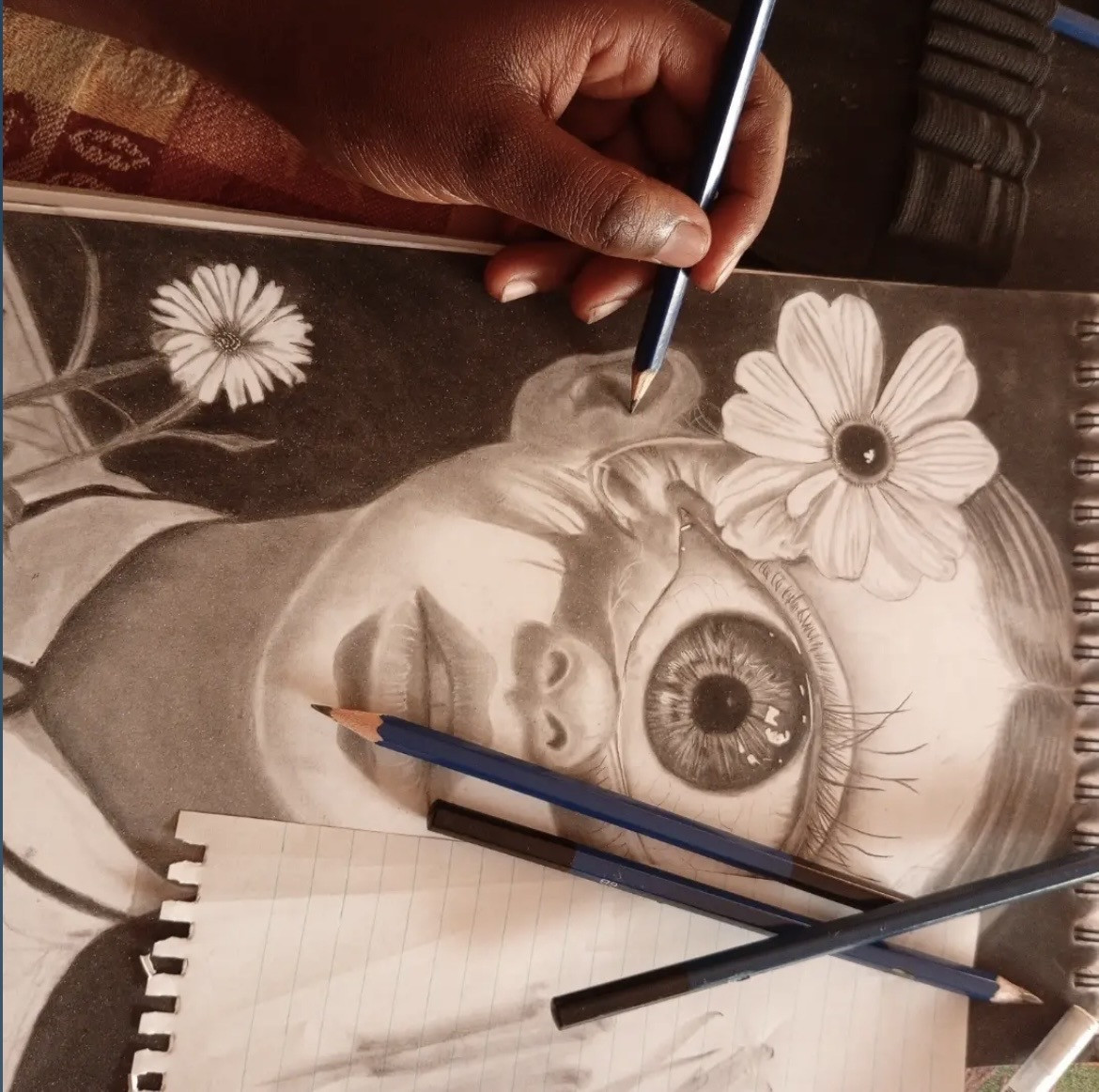
- Graphite & Charcoal: Cold Press or Rough is is the recommended option. The tooth catches and holds the graphite particles, allowing for deeper darks, richer shading, and easier blending. Smooth paper can lead to shiny, reflective patches and limits your value range.
- Colored Pencils: It depends on your style! Smooth (Hot Press) is ideal for fine detail, photorealism, and building many thin, glossy layers. Cold Press is perfect for more expressive work, faster layering, and achieving a richer, more granular look. The tooth holds more wax or oil-based pigment.
- Ink (Pen & Wash/Fountain Pen): Smooth (Hot Press) or very fine-grained Cold Press. A smooth surface prevents nib catching and allows for crisp, clean lines. For ink washes, a slight tooth helps control the flow.
- Pastels (Soft & Oil): Rough or Specialized Pastel Paper is non-negotiable. You need aggressive tooth to hold onto the thick layers of pigment. These papers are often coated with a pumice-like ground to act as sandpaper for the pastel.
- Watercolor: This is where texture truly performs. Rough paper gives you bold texture—perfect for dry-brush effects and soft and grainy colour patterns. Cold Press is the reliable all-rounder: has a beautiful flow, easy lifting, and just enough texture for most techniques. Hot Press is smooth and perfect for detailed illustrations and clean washes, though wet-into-wet can be a bit harder to control on it.