The Building Blocks of Great Art: Understanding the Elements and Principles of Art
Have you ever looked at a drawing, painting, photograph, or even a beautifully arranged room and thought, 'There's just something about it that works'?
That feeling is not usually accidental.
Whether we are aware of it or not, every piece of art is built using a set of visual tools and design principles that help guide our eyes, create emotion, and tell a story. And once you understand these fundamentals, you will start seeing art, and perhaps even the world around you in a completely new way.
In this blog, we will explore the Elements and Principles of Art. Don't let the terminology intimidate you, however, of them as the ingredients and recipes that artists use to create meaningful and memorable work.
The Elements of Art: The Artist's Toolbox
The Elements of Art are the basic visual ingredients used to create artwork.
Line
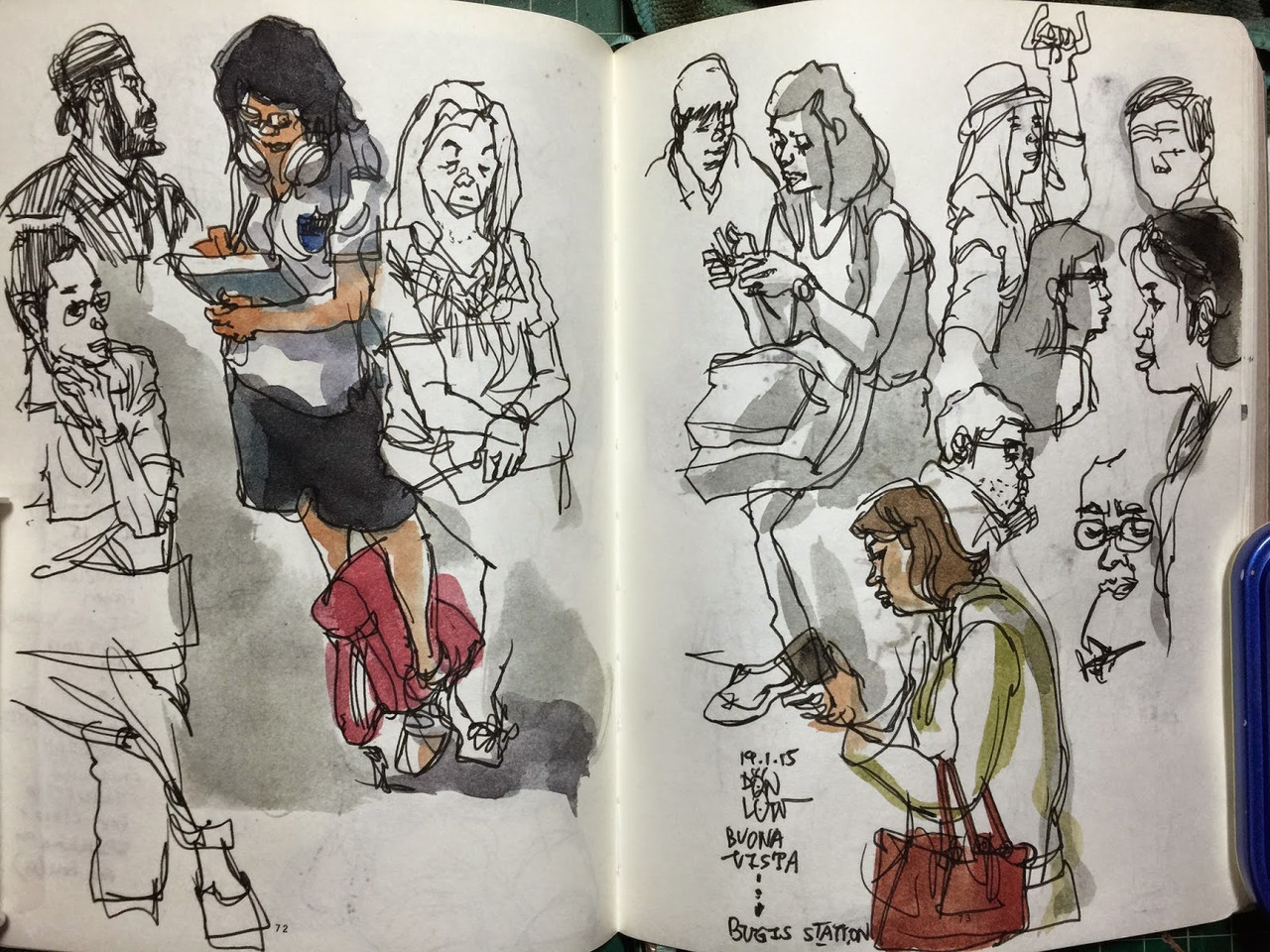
A line is simply a mark that connects two points. Lines can be straight, curved, thick, thin, bold, or delicate. They help define shapes, create patterns, and guide the viewer's eye.Shape
Shapes are flat, two-dimensional forms that have height and width. Circles, squares, triangles, and organic shapes found in nature are all examples.Form
Form takes shape one step further by adding depth. Forms are three-dimensional, like cubes, spheres, cylinders, or anything that appears to have volume.Colour
Colour brings energy, emotion, and personality into art. Every colour has three qualities:- Hue: the name of the colour (red, blue, green)
- Value: how light or dark the colour is
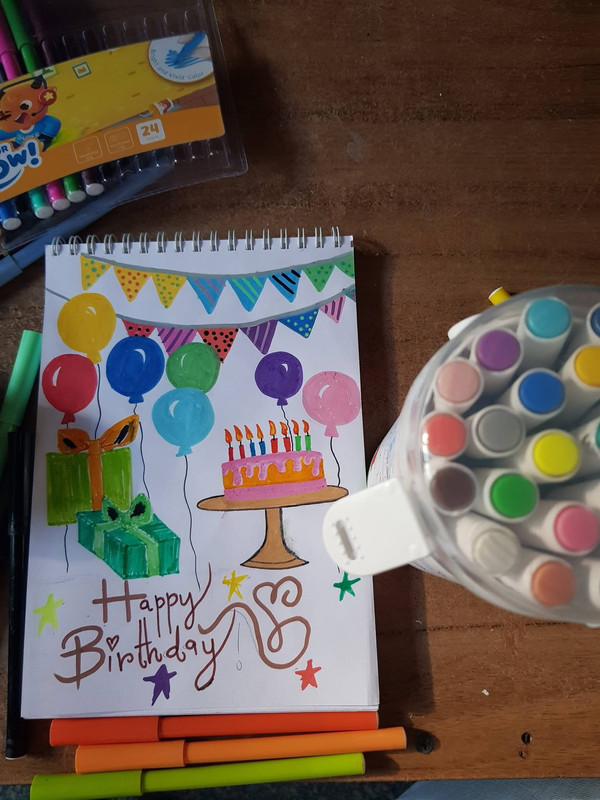
- Intensity: how bright or muted the colour appears
Value
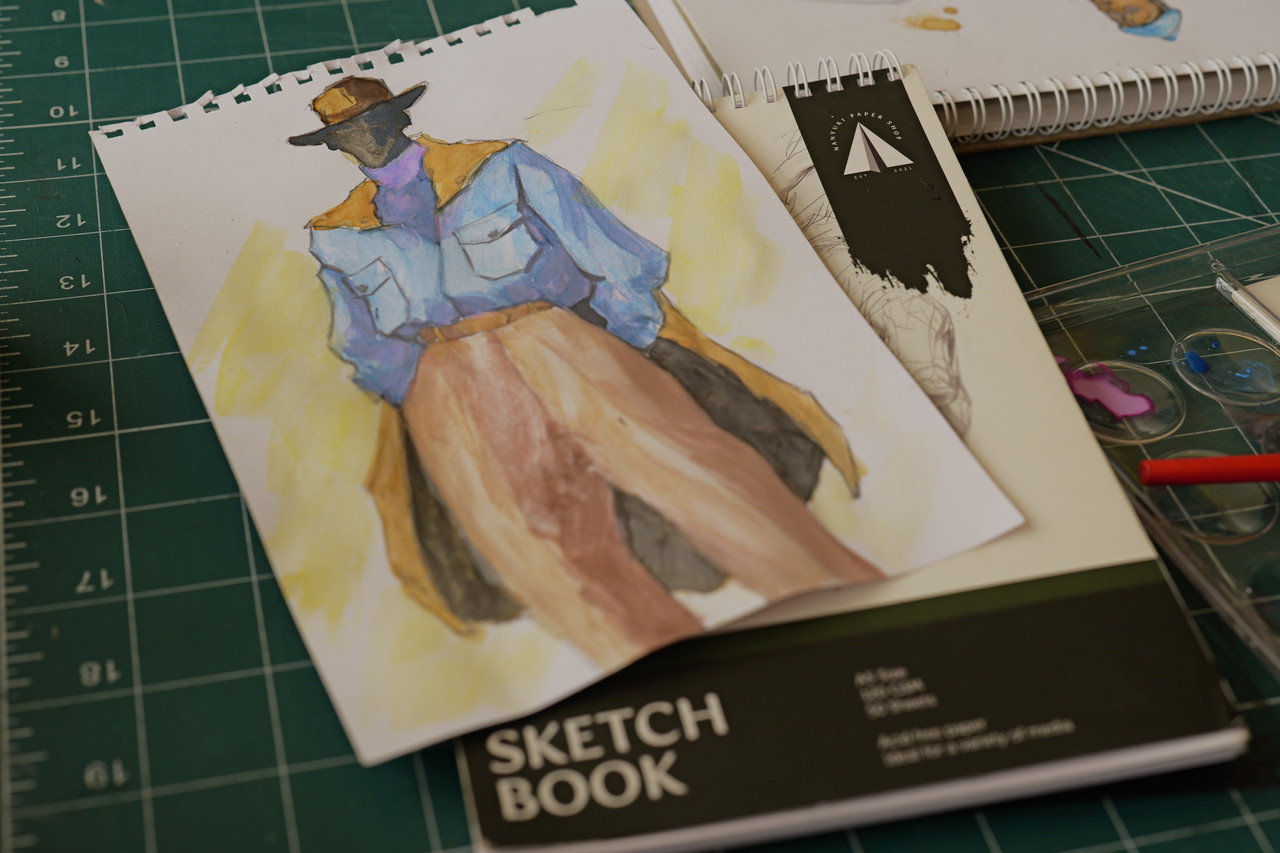
Value refers to lightness and darkness. Strong use of value helps create contrast, depth, and realism.Texture
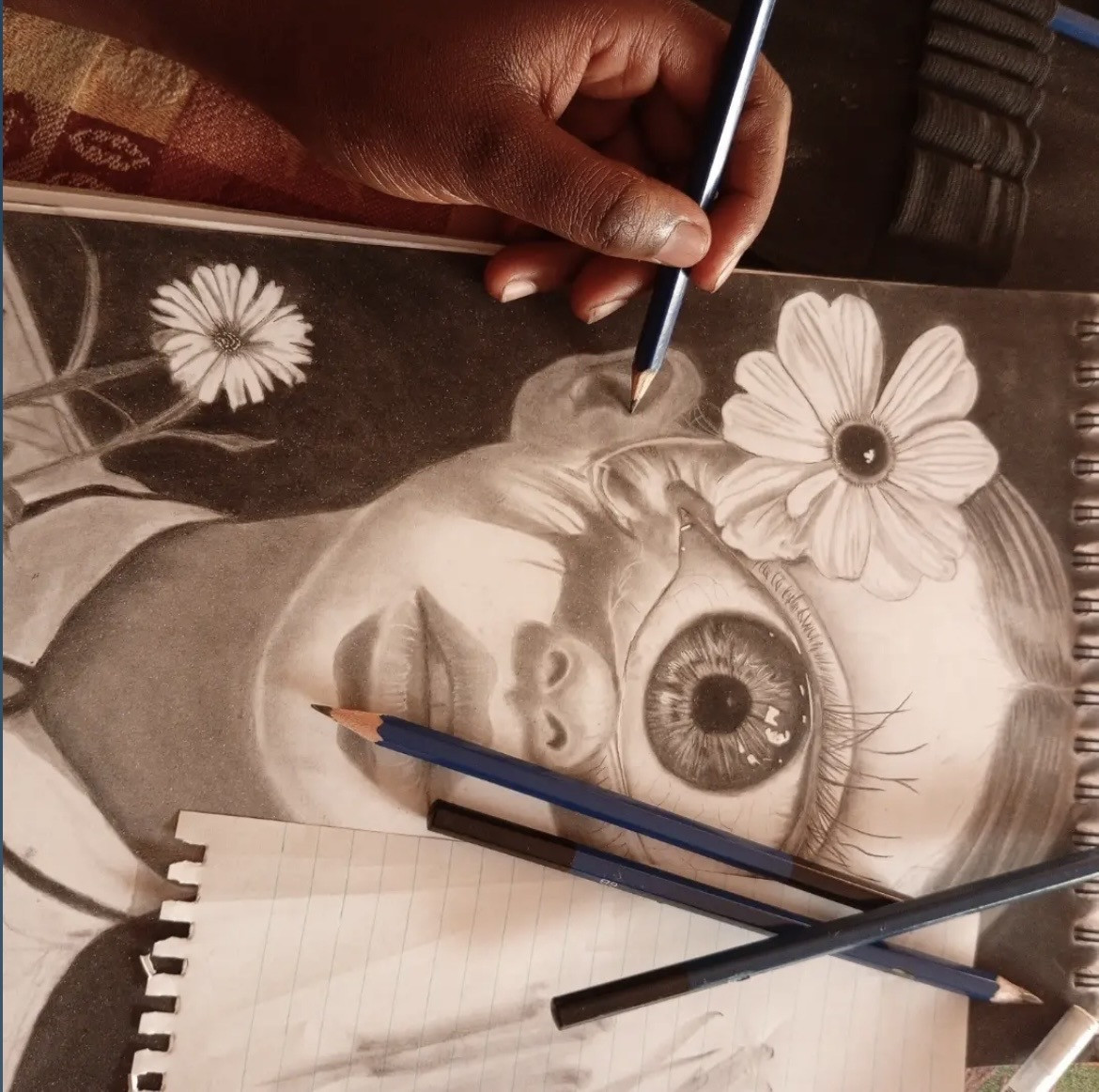
Texture is how something feels—or appears to feel. Think of rough tree bark, smooth glass, or fluffy clouds. Artists can create texture even on a flat surface.Space
Space helps define distance and depth. It is the area around, between, and within objects in an artwork.The Principles of Art: How Artists Bring It All Together
If the Elements of Art are the ingredients, the Principles of Art are the recipe. They help artists organise visual elements into a successful composition.
Balance
Balance creates stability and visual comfort.- Symmetrical balance feels orderly and formal.
- Asymmetrical balance feels more dynamic while still appearing balanced.
Emphasis
Emphasis helps create a focal point—the area that attracts attention first. Artists achieve this through contrast in colour, size, value, or placement.Movement
Movement guides the viewer's eye through the artwork. A strong composition gently leads us from one area to another.Rhythm
Rhythm is created through repetition. Just as music has a beat, art can have a visual rhythm that creates flow and energy.Proportion
Proportion refers to the size relationship between different parts of an artwork. It helps things feel realistic—or intentionally exaggerated.Harmony
Harmony occurs when elements work together peacefully. Similar colours, shapes, or textures can create a sense of unity and calm.Variety
Variety adds interest and prevents an artwork from feeling repetitive. Different colours, shapes, and textures keep the viewer engaged.Gradation
Gradation uses gradual changes, such as moving from dark to light or large to small. It helps create depth and visual movement.Unity
Unity is what makes all the parts of an artwork feel connected. Even when many different elements are used, unity helps the piece feel complete.Why This Matters (Even If You're Not an Artist)
The Elements and Principles of Art aren't just for artists. They influence photography, graphic design, advertising, architecture, interior design, fashion, and even social media content.
The next time you see a piece of art that captures your attention, take a moment to ask yourself why. Is it the colour? The balance? The texture? The movement?
The more you observe, the more you'll begin to notice these visual building blocks everywhere.
A Simple Challenge
This week, choose one artwork, photograph, or even a scene from your daily life and try to identify:- One Element of Art
- One Principle of Art
You might be surprised by how much you discover.
Art becomes even more enjoyable when we understand the choices behind it. And as a creative community, every observation helps us grow, learn, and see the world with fresh eyes.
Which element or principle do you notice most often in your own creative work? We'd love to hear your thoughts in the comments.
Art becomes even more enjoyable when we understand the choices behind it. And as a creative community, every observation helps us grow, learn, and see the world with fresh eyes.
Which element or principle do you notice most often in your own creative work? We'd love to hear your thoughts in the comments.